Crash Claim Accident Management: Why the Knowledge Gap Matters
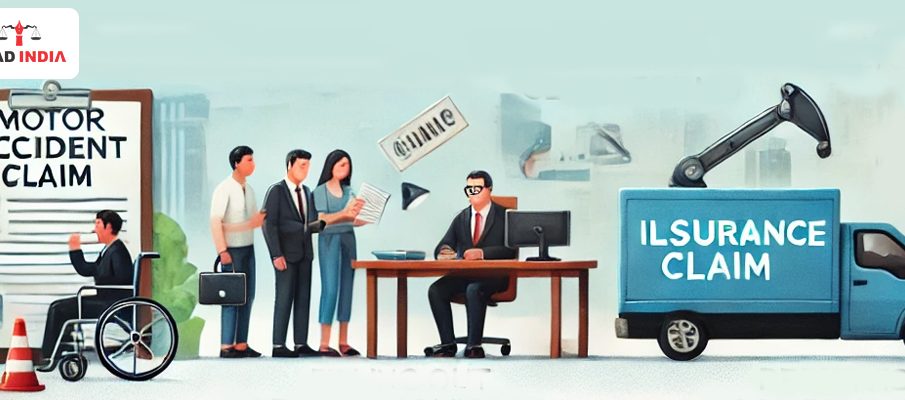
There’s a version of handling a crash claim that takes weeks of your time, involves arguments with insurers about entitlements you didn’t know you had, produces a repair that isn’t quite right, and leaves you feeling like you got less than you deserved. This is what self-managed claims typically produce.
Crash claim accident management exists to close the knowledge gap between a private individual and the professionals on the other side of the claim.
What the Knowledge Gap Actually Is
At-fault insurers employ experienced claims teams who manage these situations professionally every day. They know the standard offers to make. They know where to apply delay. They know the difference between a claimant who knows their entitlements and one who doesn’t.
When a private individual manages their own crash claim against an at-fault insurer, they’re operating without the industry knowledge those professionals have. They don’t know if an offer is reasonable or low. They don’t know if a delay is legitimate or tactical. They don’t know what they can push back on and what they can’t.
Professional accident management closes that gap. The insurer deals with someone who knows the process, knows the entitlements, and knows what’s worth contesting.
What Professional Management Covers
From the first call, a properly run service takes over the entire claim process.
Vehicle recovery from the scene if the car isn’t driveable. Immediate contact with the relevant insurers. Replacement vehicle arranged to the like-for-like standard you’re entitled to. Repair booked through quality-assured workshops. All ongoing insurer communication handled. Liability disputes managed if they arise.
Your involvement after the initial call is minimal. You provide the details needed to start the process and then continue your life. The claim is managed in the background.
The Repair Warranty and What It Actually Protects
A six-month warranty on crash repairs is meaningful protection, not just a selling point.
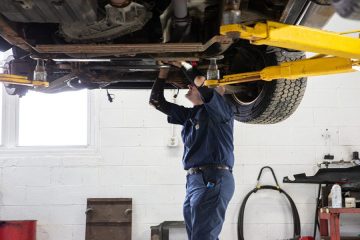
Smash repairs can have issues that take time to surface. Paint colour that doesn’t match precisely in certain lighting conditions. Panel work that wasn’t fully corrected. Components replaced with non-original parts that behave slightly differently over time. These issues often aren’t visible at the moment of pickup.
A warranty period means those problems are addressed by the workshop that caused them rather than becoming the vehicle owner’s cost to fix. This standard doesn’t apply to every repair option available. It’s worth understanding before deciding how your repair is managed.
The Replacement Vehicle Entitlement Properly Applied
Not-at-fault drivers are entitled to a like-for-like replacement vehicle during the repair period. What like-for-like means in practice is often where the gap between entitlement and delivery shows up most clearly.
An insurer offering a small city car to replace a large family SUV isn’t providing a like-for-like replacement. An insurer offering a vehicle that can’t serve the same work functions as the damaged vehicle isn’t meeting the standard.
Professional management establishes and maintains the correct replacement from the beginning rather than accepting an initial offer that falls short of the entitlement.
Disputed Fault and Stalled Claims
When liability is disputed, claims stop moving. The repair doesn’t start. The replacement vehicle situation becomes complicated. And most private individuals don’t know what steps exist to move a dispute forward or what the insurer is required to provide during the dispute period.
Professional management handles disputed liability as part of the standard service. The experience of knowing how insurers approach liability disputes, what documentation matters, and what pressure points exist is what advances a stalled claim.
No Cost for Not-at-Fault Drivers
When the accident wasn’t your fault, professional management costs nothing. Every recoverable cost, including the management service itself, the repair, and the replacement vehicle, is directed to the at-fault insurer.