Car Maintenance: The Everyday Habit That Keeps Your Car Reliable

Car maintenance is often treated as something optional, something that can wait until a problem becomes impossible to ignore. When a car starts on time and gets you where you need to go, it’s easy to assume everything is fine. But maintenance decisions don’t show their impact immediately. They work quietly in the background, shaping how a car performs months or even years later.
Good car maintenance is not about reacting to breakdowns. It’s about reducing the chances of them ever happening. The most reliable cars on the road are rarely lucky; they are maintained consistently by drivers who understand that small actions taken early matter more than big repairs done late.
Understanding the Basics of Car Maintenance
At its core, car maintenance is about knowing what to check and when. Fluids lose effectiveness, parts wear down, and systems slowly drift out of balance. Having a clear starting point helps, especially for drivers who feel unsure about routine upkeep. A simple way to get clarity is to read more through a structured checklist that outlines essential checks, which you can find when you read more about basic car maintenance routines.
Once the fundamentals are understood, maintenance feels less intimidating and more like normal care.
DIY Car Maintenance and Building Awareness
Not all maintenance tasks require professional tools or advanced knowledge. Many important habits involve observation and simple checks that anyone can learn. Things like monitoring tire pressure, checking fluid levels, and paying attention to unusual sounds help drivers notice problems early.
For those who want to take small steps on their own, practical guidance makes a difference. You can click here to explore realistic DIY tasks by visiting this guide when you click here to learn safe car maintenance tips you can handle yourself.
DIY maintenance isn’t about replacing mechanics. It’s about understanding your car well enough to know when something changes.
Engine Care and the Importance of Oil Changes
The engine works constantly, often without drawing attention to itself. Oil is what keeps that movement controlled, reducing friction and carrying away heat. Over time, oil degrades, even if the engine sounds normal.
Skipping oil changes rarely causes immediate failure, which is why many drivers delay them. The damage happens slowly and silently. To understand how oil changes work and why timing matters, it helps to read more about the process by visiting this explanation when you read more about changing engine oil.
Knowing what oil does inside the engine makes maintenance feel purposeful rather than routine.
Brake Maintenance and Listening to Early Warnings
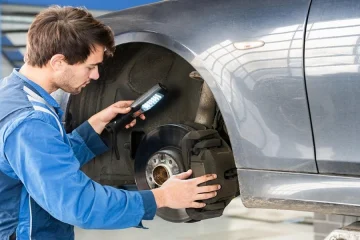
Brakes usually provide warnings before serious problems develop. Squealing sounds, vibrations, or changes in pedal response often signal normal wear that needs attention. Brake pads are designed to wear out, but waiting too long can damage more expensive components.
Understanding timing is key. You can read more about warning signs and replacement intervals when you read more about when brake pads should be changed. If you want insight into what the replacement process actually involves, you can click here to see a clear breakdown by following this guide when you click here.
Brake maintenance is about responding early, not reacting late.
Following a Mileage-Based Maintenance Schedule
Mileage-based maintenance removes guesswork. Cars are engineered with predictable wear patterns, and mileage provides a reliable framework for inspections and replacements. Instead of relying on memory, drivers can plan maintenance ahead of time.
If you want to understand how service tasks align with mileage, you can read more by reviewing a detailed schedule when you read more about maintenance by mileage.
A schedule turns maintenance into a habit rather than a reminder-driven chore.
Understanding the Check Engine Light
Few dashboard warnings cause as much confusion as the check engine light. It can indicate something minor or something more serious, but ignoring it is rarely the right choice. The key is understanding what diagnostics actually do.
You can click here to learn how issues are identified and why early checks matter by exploring this guide when you click here about check engine light diagnostics.
Early diagnosis often keeps problems manageable and repairs straightforward.
Common Engine Problems and Early Fixes
Engines usually communicate trouble before failing completely. Rough idling, unusual noises, reduced power, or changes in fuel efficiency are all signals worth paying attention to.
To understand how these symptoms connect to specific issues, you can read more about common engine problems and their fixes when you read more through this engine problem guide.
Recognizing patterns early prevents small issues from becoming major repairs.
Battery Maintenance and Electrical Reliability
Modern vehicles depend heavily on electronics, which makes battery health essential. Batteries can weaken gradually, causing subtle electrical problems long before a complete failure.
Simple checks can prevent inconvenient no-start situations. You can read more about how to care for your battery by following this resource when you read more about battery maintenance tips.
Battery care often goes unnoticed until it’s neglected for too long.
Tires, Flats, and Being Prepared
Tires affect handling, braking, and overall driving confidence. Even well-maintained tires can suffer unexpected damage from road hazards.
Being prepared reduces stress. It’s worth taking the time to click here and learn how to handle a flat tire by reviewing this step-by-step guide when you click here.
Preparation turns an emergency into a manageable situation.
A Reflective Conclusion on Car Maintenance
Car maintenance isn’t about obsession or perfection. It’s about consistency, awareness, and respect for a machine that supports daily life. Small actions taken at the right time quietly protect larger systems.
When maintenance becomes routine rather than reactive, driving feels smoother and more predictable. The car lasts longer, performs better, and causes fewer disruptions.
In the end, car maintenance is a quiet commitment—one that rewards drivers with reliability, safety, and peace of mind every time they get behind the wheel.