The Rise of Distracted Driving Incidents Across Southwestern States
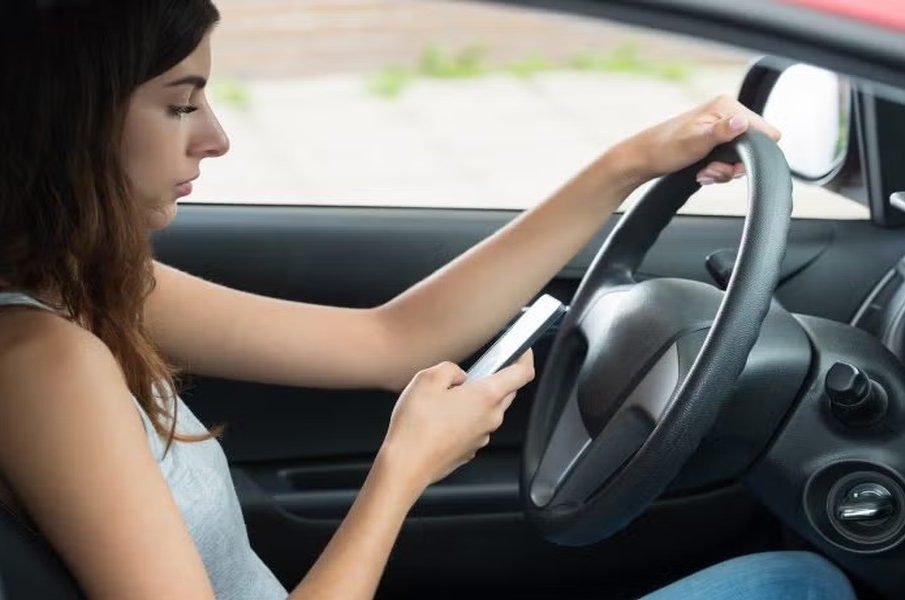
Distracted driving is a contributing factor in approximately 8 percent of officially reported fatal crashes nationally, but traffic safety researchers estimate the true proportion may be three to four times higher due to self-reporting limitations and the difficulty of establishing phone use in crash investigations without device data extraction.
California, Nevada, and Arizona each enacted handheld device bans at different points, with California implementing its first law in 2008, Nevada in 2011, and Arizona as recently as 2021. Comparing crash data trajectories before and after implementation provides insight into how much of the distraction problem statutory prohibition alone can address.
How Handheld Device Laws Affect Observed Driver Behavior
Insurance Institute for Highway Safety data from jurisdictions that implemented handheld phone bans found an average 8 percent reduction in phone-related crashes in the two years following implementation, declining to a 4 percent effect at five years as driver compliance rates eroded. Legal prohibition creates an initial behavioral change that attenuates without sustained enforcement pressure.
California’s handheld ban expanded to include holding a device in any manner in 2017. Reported phone-related crashes in California declined by 11 percent in the 18 months following the expanded prohibition, though classification challenges make precise attribution difficult.
What Newer Distraction Categories Are Appearing in Crash Data
In-vehicle infotainment systems are increasingly cited as distraction sources in crash investigations. NHTSA data found that infotainment interactions lasting longer than 2 seconds significantly increase crash risk, and modern vehicles with large touchscreen interfaces require average interaction times of 20 to 40 seconds for many common tasks. Following ongoing developments in California collision news coverage provides insight into how these emerging distraction categories are being documented in real-world crash investigations across the western region.
How Commercial Fleet Technology Is Affecting Distraction Rates
Commercial fleet operators in California and Nevada have adopted driver-facing camera systems that detect phone use, drowsiness, and forward attention lapses in real time. Fleet operators who implemented AI-based monitoring systems report 23 to 31 percent reductions in distraction events per mile driven.
What Pedestrian Risk Data Shows About Driver Attention at Crossings
AAA Foundation research using eye-tracking technology found that drivers approaching crosswalks while engaged with infotainment systems had 24 percent slower response times to pedestrian crossing events. The reaction time difference translated to an average of 18 additional feet of stopping distance at 35 miles per hour.
Distracted driving is among the most difficult crash causes to address because legal prohibition produces diminishing compliance rates over time. The emerging behavioral monitoring technologies in commercial fleets represent a more continuous intervention mechanism, and their eventual adoption in consumer vehicles may produce more durable changes in driver attention patterns.