Tow Truck Ownership: Buying a Rig That Can Earn Its Keep
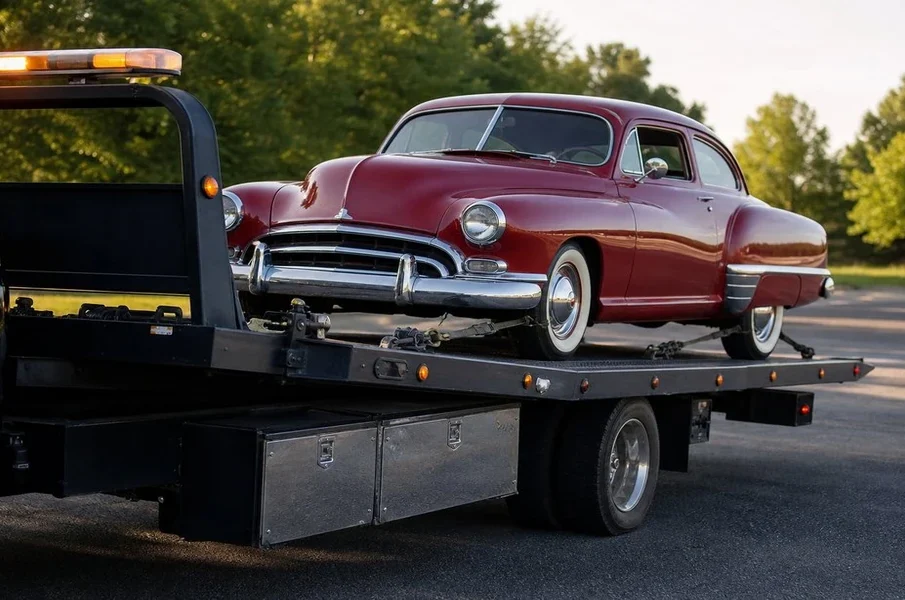
Tow truck equipment
Sometimes a vehicle collector’s prized automobile won’t start or isn’t in safe enough condition to drive to a show, a track day, the shop, or to/from the dealer several hours away that’s selling it. That’s when a nicely equipped tow truck can come in clutch.
So, if you’re in the market for a used tow truck that could earn its keep, here are a few things to consider.
Start With What You’ll Be Towing
Will your used tow truck mainly be transporting low-clearance, custom street vehicles, classic collector cars, etc., or will you mostly be doing roadside service calls?
Will it be hauling vehicles on an infrequent basis or will you be using your tow truck a lot? These factors will greatly influence what type of used tow truck you should purchase.
Flatbed or Wheel-Lift?
Flatbed (aka rollback) tow trucks are the best for hauling collector vehicles. That’s because rollback tow trucks transport vehicles with all four tires off the ground – eliminating many of the potential problems that can occur during wheel-lift vehicle transport.
The best used rollback tow trucks will have a manageable deck angle, allowing you to load low-slung autos with long front overhangs, fancy air dams, low-hung mufflers, etc. without fear of scraping/damaging your customer’s ride.
Wheel-lift tow trucks can also be great – especially for short-distance, standard passenger vehicle transport. However, if you plan on tows around town for modified street cars, think beyond the humble sedan/hatchback.
Make Sure the Truck Can Handle the Job
Don’t just look at the glossy paint, shiny chrome and the like when shopping for a used tow truck. Instead, make sure that the equipment on the truck can perform the tasks you’ll be asking of it.
For instance, if you’re looking at rollback Nashville tow trucks available for purchase, make sure the deck breakover angle/clearance will allow you to load autos without damage. Also, inquire about accessories such as loading ramps/blocks, deck extensions, etc.
Don’t be fooled by load capacity numbers, either. While a vehicle may technically fit on a particular rollback tow truck, it’s possible that the deck angle will be too severe to load the vehicle without scraping.
Inspect the Truck Itself, Too
The tow truck’s frame, tires, brakes, steering, suspension and more should be thoroughly examined before you buy. Pay particular attention to rust/corrosion around structural components. Check for hydraulic/oil/gas leaks, worn-out tires, etc. And don’t forget to test-drive the truck, paying attention to how the engine and transmission perform. After all, tow trucks put extra strain on their powertrains, especially when being driven with a heavy load or when idling for long periods of time.
Also make sure that all of the tow truck’s equipment is in good working order. You don’t want to be standing around with your customer, wondering when your tow truck’s winch will start working, right?
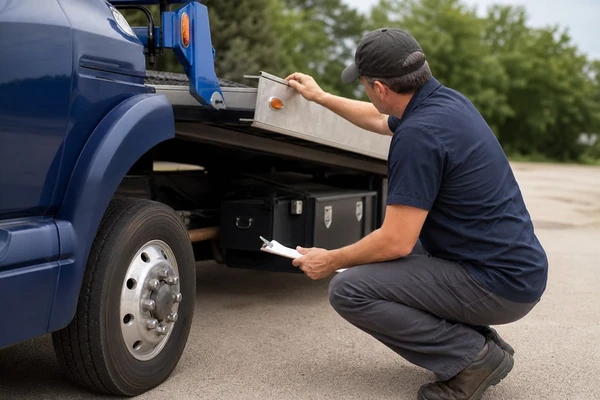
Tow truck mechanical equipment
Some equipment items to check on include:
- Winch – Does it work properly? Is the winch cable in good shape? Do the winch controls function as they should?
- Hydraulics – If the truck has a rollback body or wheel-lift arms, make sure the hydraulics are working properly.
- Lights & Warnings – Make sure all of the truck’s lights and warning devices are in good working order. Also look for splices/repairs in the wiring.
- Tie-downs – Make sure that the truck’s tie-downs are secure, and check the condition of any chains/straps.
- Boxes, Compartments, etc. – Inspect the locks and weather-sealing on compartments/boxes.
Budget, Test, Then Decide
Don’t forget about the other costs of truck ownership/operation – Investopedia has a clear page on this at investopedia.com/terms/t/totalcostofownership.asp, insurance, registration, maintenance, fuel, tires, winch/hydraulic repairs, straps/chains, etc. Depending on your municipality, you may have to obtain special permits/licenses to make money with your tow truck, and there may be regulations regarding when/where you can tow vehicles.
If you have a set budget for your used tow truck purchase, say $60,000, you may want to consider spending less on the truck itself so that you’ll have cash left over for equipment, repairs, etc. After all, a seemingly inexpensive tow truck that needs new tires, winch repairs, brake work, etc. could wind up costing you more than a pricier truck with a well-documented maintenance history.
Make sure to put the truck’s winch and rollback body (or wheel-lift arms) through their paces during your test drive. Look for sluggish winch response, jerky rollback body motion, hydraulic leaks, etc.
If you’re unfamiliar with commercial truck equipment, you may want to consider bringing along an experienced tow-truck mechanic/driver with you to help evaluate the truck.
When shopping for a used tow truck, think about how you plan to use the truck. Will you use the truck for personal projects? Will you be taking show cars to the track? Will you be starting a tow-truck business? Of course you want a reliable truck, ideally one that will provide years of dependable service, but you don’t want to spend more money than you need to for features/capabilities that you don’t require. Make a list of the types of vehicles you expect to load on your truck (size/weight) and use that list as a guideline while you’re shopping for your truck.