How to Inspect a Used Car Before Buying in Frankston
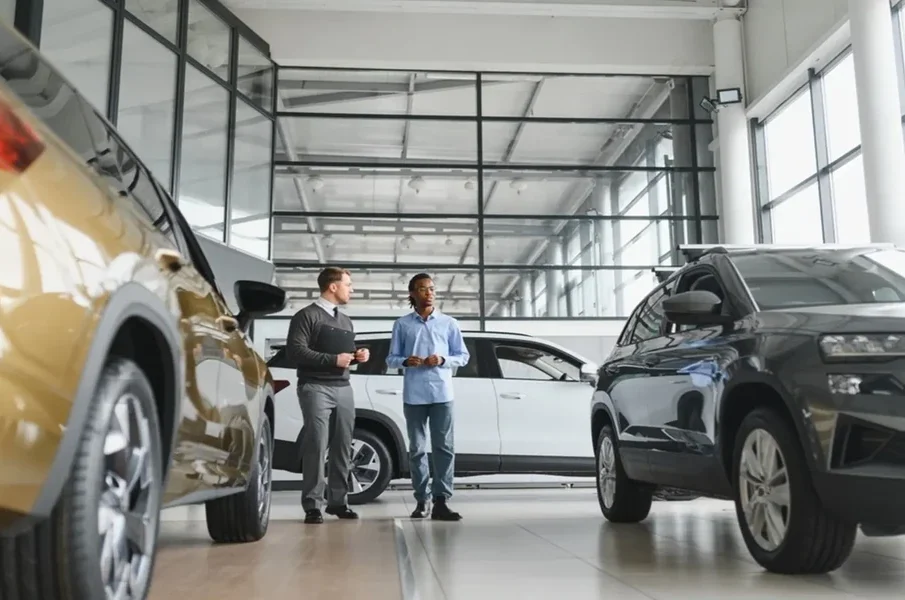
Buying a used vehicle can be a smart financial decision, especially when you take the time to thoroughly inspect the car before making a purchase. Whether you’re searching for a family SUV, a reliable sedan, or a first car for a new driver, knowing what to look for can help you avoid costly surprises down the road. With many options available in the local market, buyers looking at used vehicles in Frankston should approach the process carefully and confidently.
The market for Frankston used cars offers a wide variety of makes, models, and price points, making it easier than ever to find a vehicle that suits your needs and budget. However, not every used car is in the same condition. A detailed inspection can reveal hidden issues, help you assess the vehicle’s true value, and ensure you’re making a wise investment.
Start with the Vehicle’s exterior.
The exterior condition of a car can provide valuable clues about its overall maintenance history.
When inspecting the outside of the vehicle, check for:
- Dents, scratches, and rust spots
- Uneven paint color that may indicate accident repairs
- Gaps between body panels
- Cracks or chips in the windshield
- Condition of headlights and taillights
Walk around the entire vehicle and view it from different angles. Any signs of poor repair work could indicate previous damage that may affect the car’s performance or resale value.
Examine the Tires Carefully
Tires can reveal a lot about how a vehicle has been driven and maintained.
Look for:
- Even tread wear across all four tires
- Adequate tread depth
- Signs of sidewall damage or cracking
- Matching tire brands and sizes
Uneven tire wear may suggest suspension problems, poor wheel alignment, or neglected maintenance. Replacing tires can be expensive, so it’s important to factor their condition into your decision.
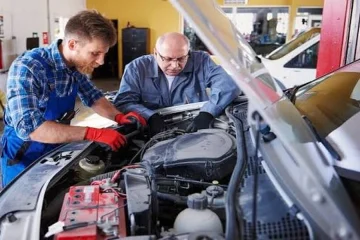
Check Under the Hood
Even if you’re not mechanically inclined, a basic under-the-hood inspection can help identify potential issues.
Pay attention to:
- Oil level and color
- Coolant condition
- Brake fluid level
- Battery condition and corrosion
- Visible leaks or damaged hoses
A clean engine bay isn’t always a guarantee of reliable maintenance, but excessive dirt, oil buildup, or leaking fluids may signal underlying problems.
Inspect the Interior Thoroughly
The interior condition often reflects how previous owners treated the vehicle.
Check the following:
- Seat upholstery for tears or stains
- Dashboard warning lights
- Air conditioning and heating systems
- Power windows and locks
- Infotainment and navigation systems
- Steering wheel and pedal wear
Excessive wear on the driver’s seat, steering wheel, or pedals may indicate higher usage than the odometer suggests.
Verify Vehicle History
One of the most important steps when buying a used car is obtaining a vehicle history report.
Review information such as:
- Previous accidents
- Ownership history
- Service records
- Registration details
- Outstanding finance or debts
A complete history report can help confirm whether the vehicle has been properly maintained and whether there are any hidden legal or financial concerns.
Take the Car for a Test Drive
Never buy a used car without driving it first.
Engine Performance
The engine should start easily and run smoothly without unusual noises, vibrations, or excessive exhaust smoke.
Braking Response
The brakes should feel firm and responsive. Listen for grinding sounds and watch for pulling to one side during braking.
Steering and Suspension
The steering should feel stable and precise. Pay attention to vibrations, clunks, or excessive bouncing when driving over uneven roads.
Transmission Operation
Automatic transmissions should shift smoothly, while manual gearboxes should engage gears easily without grinding.
Look for Signs of Water Damage
Water damage can create long-term reliability issues and may not always be obvious.
Watch for:
- Musty odors
- Damp carpets
- Rust under seats
- Water stains inside the cabin
- Electrical issues
Flood-damaged vehicles often develop ongoing mechanical and electrical problems that can become costly to repair.
Consider a Professional Inspection
Even after conducting your assessment, hiring an independent mechanic is highly recommended.
A professional inspection can identify the following:
- Hidden mechanical faults
- Frame damage
- Engine issues
- Transmission problems
- Suspension wear
The small cost of an inspection could save you thousands of dollars in future repairs.
Compare Pricing Before Making an Offer
Research the market value of similar vehicles in Frankston before negotiating.
Factors that influence pricing include:
- Vehicle age
- Mileage
- Service history
- Overall condition
- Included features and upgrades
Many dealerships offering reliable used cars Frankston buyers trust will provide transparent pricing and detailed vehicle information, making it easier to compare options and negotiate fairly.
Ask the Right Questions
Before finalizing the purchase, ask the seller:
- Why are they selling the vehicle?
- Has it been involved in any accidents?
- Are there complete service records?
- Has any major work been completed recently?
- Are there any known issues?
Honest answers can provide additional confidence and help you avoid unpleasant surprises after purchase.
Conclusion
Purchasing a used vehicle is an exciting process, but it’s important not to rush into a decision. A careful inspection of the exterior, interior, tires, engine, and vehicle history can help you identify potential concerns before committing to a purchase. Taking the time to test drive the vehicle and arranging a professional mechanical inspection can further protect your investment. By following these steps, buyers can confidently navigate the market and find a quality used car that delivers reliability, value, and peace of mind for years to come.