EV Charging Inlet, CCS2 Connector & Industrial Plug Sockets Explained for Fast Charging Solutions
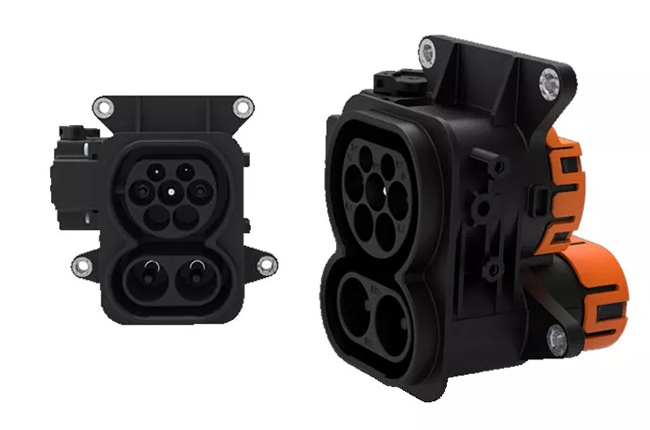
Electric vehicles are steadily transforming the way people think about mobility, but the speed and reliability of charging infrastructure often determine how smooth that transition feels. Behind every efficient charging station lies a combination of carefully engineered components that work together to deliver power safely and quickly. Among the most essential of these are the ev charging inlet, ccs2 connector, ev charging socket, and the industrial plug socket.
For businesses, infrastructure planners, and even individual EV users, understanding how these elements function can make a noticeable difference in charging performance, safety, and long-term usability.
The Role of the EV Charging Inlet
The ev charging inlet is the point where the vehicle physically receives power. It acts as the gateway between the charging cable and the vehicle’s internal battery system. A well-designed ev charging inlet ensures efficient current transfer while maintaining insulation and temperature stability.
Quality inlets are built to withstand frequent plugging and unplugging without loosening or overheating. Since electric vehicles are often used daily, durability becomes just as important as conductivity. Materials, sealing mechanisms, and weather resistance all contribute to reliable performance in varied environments.
Why the CCS2 Connector Matters for Fast Charging
When discussions turn to rapid charging, the ccs2 connector often becomes the center of attention. This connector is widely recognized for supporting both AC and DC charging through a single interface. Its dual capability simplifies infrastructure requirements while delivering higher charging speeds when needed.
A properly engineered ccs2 connector allows smooth communication between the charging station and the vehicle, ensuring that voltage and current levels remain controlled. This communication layer is critical for safety, especially during high-power sessions. Fast charging is not just about speed; it is about controlled speed that protects battery health and electrical systems simultaneously.
Understanding the EV Charging Socket
The ev charging socket is another key component that works alongside the inlet and connector. While the inlet is typically integrated into the vehicle, the ev charging socket is commonly found on charging stations or extension interfaces. Its design influences compatibility with multiple cable types and charging standards.
High-quality sockets are engineered with reinforced contact points, heat resistance, and secure locking mechanisms. These characteristics reduce the chances of power interruption or accidental disconnection. In commercial charging environments where multiple users connect daily, the reliability of the socket plays a significant operational role.
Industrial Plug Socket: The Unsung Backbone
While attention often goes to connectors and inlets, the industrial plug socket forms the foundational layer of many charging infrastructures. These sockets are built to handle heavy electrical loads and continuous usage. A robust industrial plug socket ensures that power delivery remains stable even in demanding conditions such as outdoor installations or industrial facilities.
Their rugged construction, insulation quality, and resistance to dust or moisture make them suitable for long-term installations. Without dependable industrial-grade sockets, even the most advanced connectors can struggle to perform consistently.
How These Components Work Together
Fast charging is never the result of a single device; it is the coordination of multiple systems. The ev charging inlet receives power safely, the ccs2 connector manages high-speed data and energy flow, the ev charging socket ensures compatibility and secure attachment, and the industrial plug socket stabilizes the overall electrical supply.
When all these components are manufactured with precision and aligned with recognized standards, charging becomes smoother, safer, and more efficient. Poor quality in even one part can create bottlenecks, overheating risks, or connection failures that disrupt the entire process.
The Growing Need for Reliable Fast-Charging Hardware
As electric vehicles become more common in personal and commercial fleets, the demand for dependable charging infrastructure continues to grow. Fast charging is no longer viewed as a luxury feature; it is gradually becoming a practical necessity. Reliable combinations of ev charging inlet, ccs2 connector, ev charging socket, and industrial plug socket solutions help ensure that power delivery remains safe, efficient, and future-ready.
Choosing components with strong build quality and compatibility safeguards both the vehicle and the charging station, creating a smoother ecosystem for users and operators alike.
Driving Smarter Charging Choices
Efficient EV charging is the result of informed hardware selection and well-engineed systems working in harmony, especially when sourcing from reliable electronic components manufacturers. From the entry point of the EV charging inlet to the backbone support of an industrial plug socket, every element contributes to speed, safety, and stability. Choosing quality components from trusted electronic components manufacturers ensures durability, compliance, and long-term performance. Understanding these critical elements allows businesses and individuals to build charging infrastructure that keeps pace with evolving mobility needs.
A trusted industry provider delivers thoughtfully designed EV inlets and connector solutions built for dependable performance and seamless integration. Exploring a comprehensive range of advanced products can be a practical step toward creating reliable fast-charging setups that confidently support modern electric mobility.