Transmission Overhaul: What Happens During the Rebuilding Process?
When an automatic or manual gearbox has worn beyond simple repair, a full rebuild is often the most effective way to restore it. Yet many owners have little idea what happens once their car is in the workshop. Understanding the transmission overhaul process helps owners know what they are paying for, ask informed questions and judge the quality of the work. This article walks through the typical stages of a rebuild, from diagnosis to road testing.
When an Overhaul Is Recommended
A transmission overhaul is usually recommended when multiple internal components have worn or failed. Symptoms such as persistent slipping, harsh shifting, grinding, loss of drive or contaminated fluid often indicate internal damage. When simpler repairs, such as fluid changes or solenoid replacement, will not resolve the problem, a full overhaul may be the most cost-effective option compared with replacement. An overhaul also gives the opportunity to address known weaknesses in a particular transmission design with updated parts. A rebuilt transmission can often perform much like the original when the work is done well.
Initial Diagnosis
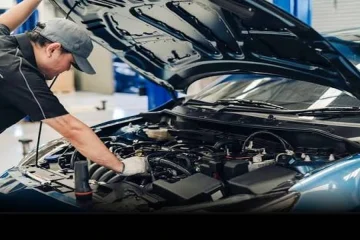
The process begins with diagnosis. Technicians road-test the car, scan for fault codes, check fluid condition and inspect for leaks. Fluid that is dark, burnt-smelling or contains metal particles suggests internal wear. Diagnosis confirms whether an overhaul is necessary or whether a smaller repair would solve the problem. The technician may also check engine mounts and drive shafts, since faults there can feel like transmission problems. A clear written diagnosis also helps you compare quotations from different workshops.
Removing the Transmission
Once an overhaul is confirmed, the transmission is removed from the car. This involves disconnecting the driveshafts, linkages, wiring and cooling lines, then supporting and lowering the transmission. Removal must be done carefully to avoid damaging components. On some cars, this step alone can take several hours. Front-wheel-drive cars with transversely mounted engines are often more involved than rear-wheel-drive layouts. The time involved explains why labour is a large part of the overall cost. Technicians label each connection as it is removed so reassembly is straightforward.
Dismantling and Inspection
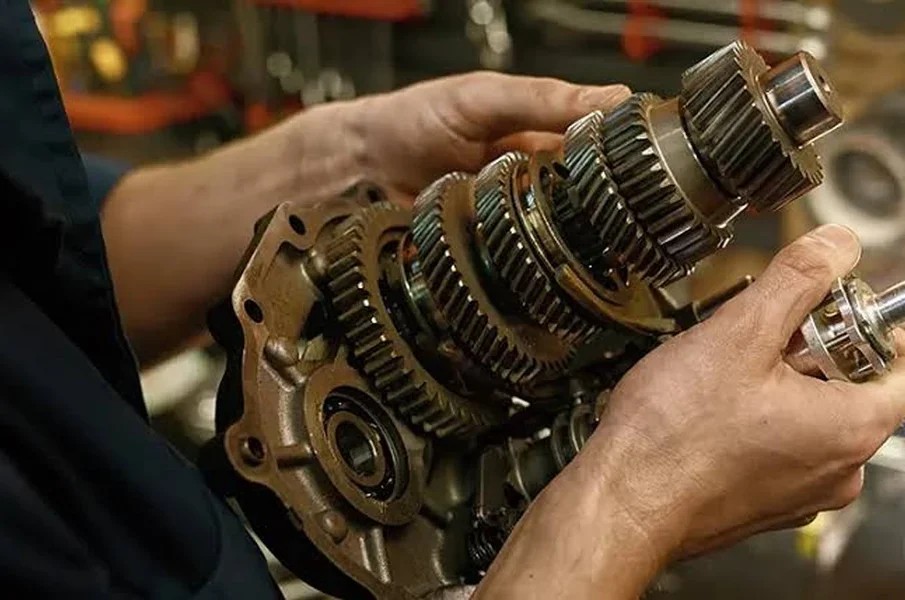
The transmission is dismantled on a workbench. Each component is cleaned and inspected for wear or damage. Typical components inspected include:
- Clutches and friction plates
- Gears and planetary sets
- Bearings and bushings
- Seals and gaskets
- Valve body and solenoids
This inspection determines which parts need replacement.
Replacing Worn Parts
Worn or damaged parts are replaced. A transmission overhaul usually includes replacing all friction materials, seals and gaskets, regardless of their apparent condition, since these are common failure points. Other components, such as gears, bearings and solenoids, are replaced as needed based on inspection. Quality parts are essential for a reliable rebuild. The torque converter is often reconditioned or replaced at the same time, since it can hold debris from the failure. Many specialists use complete rebuild kits for the specific transmission model, which ensures every seal and friction plate matches.
Cleaning and Reassembly
All components are cleaned thoroughly to remove debris and old fluid. The transmission is then reassembled carefully, with clearances checked and components installed to specification. Precision is important, since small errors can affect shifting and durability. Experienced technicians follow manufacturer procedures closely. Clean, organised working conditions matter here, since a single particle of dirt can block a valve. Measurements such as clutch pack clearances are recorded as the work proceeds.
Reinstallation and Fluid Fill
The rebuilt transmission is reinstalled in the car, and all connections are restored. The transmission cooler and lines may be flushed to remove contaminants that could damage the rebuilt unit. The transmission is filled with the correct type and quantity of fluid. Some transmissions require specific procedures to achieve the correct fluid level. Using the wrong fluid can undo the overhaul within weeks. Mounts and linkages are checked at this stage, since worn mounts can make a rebuilt gearbox feel rough.
Programming and Adaptation
Many modern automatic transmissions are controlled electronically. After an overhaul, the control unit may need to be reset or programmed, and adaptation procedures may be required so the transmission learns shift patterns. Specialised diagnostic equipment is often needed for this step. Shifting may feel slightly different for the first few days while the system adapts. Not every workshop has the equipment for this step, so ask before booking.
Road Testing and Final Checks
The car is road-tested to confirm smooth shifting, proper engagement and absence of leaks or noises. Technicians check fluid levels again after driving. Final checks typically include:
Once these checks are complete, the car is returned to the owner.
After the Overhaul
A reputable workshop should provide a warranty and guidance on after-care. Owners may be advised to drive gently for an initial period and return for a follow-up check. For drivers facing major transmission problems, a specialist in automatic gearbox rebuilding in Singapore can explain the process and provide a clear quote. Ask what the warranty covers and for how long before approving the job.