Shipping a Vehicle to Hawaii: Costs and Timelines
Introduction
Moving to Hawaii is an exciting chapter, but it comes with unique logistical decisions—most notably, what to do with your personal vehicle. Buying another vehicle once you arrive in the Hawaiian Islands can be surprisingly expensive due to limited local inventory, shipping markups on dealer stock, and high demand. For many, moving an existing vehicle from the U.S. mainland to Hawaii is far more practical and cost-effective than starting the buying process from scratch.
Shipping a vehicle to Hawaii typically involves ocean transport and may require mainland transportation to a departure port. Because ocean transport operates on strict terminal schedules and maritime regulations, vehicle owners must coordinate both mainland pickup and ocean departure smoothly.
When planning a vehicle shipment to Hawaii, customers typically want clear answers to four core questions:
- Total shipping cost: What is the all-inclusive price from my current driveway to Hawaii?
- Estimated delivery timeline: How long will ground transit and ocean sailing take combined?
- Port and pickup options: Which mainland departure port and island destination port should I use?
- Vehicle preparation and documentation: What cleanliness standards, fuel rules, and legal documents are required?
Coordinating this multi-step process can feel overwhelming, but working with a professional auto transport company simplifies the logistics. Transport specialists help coordinate mainland vehicle transport with ocean carrier sailing dates, ensuring your vehicle arrives safely and on schedule.
How Does Shipping a Vehicle to Hawaii Work?
Shipping a vehicle to Hawaii is a multi-stage logistics process that relies on specialized ocean freight rather than a direct road journey. Understanding how your vehicle moves from your mainland home to an island port ensures a smooth experience.
The Two Main Transportation Stages
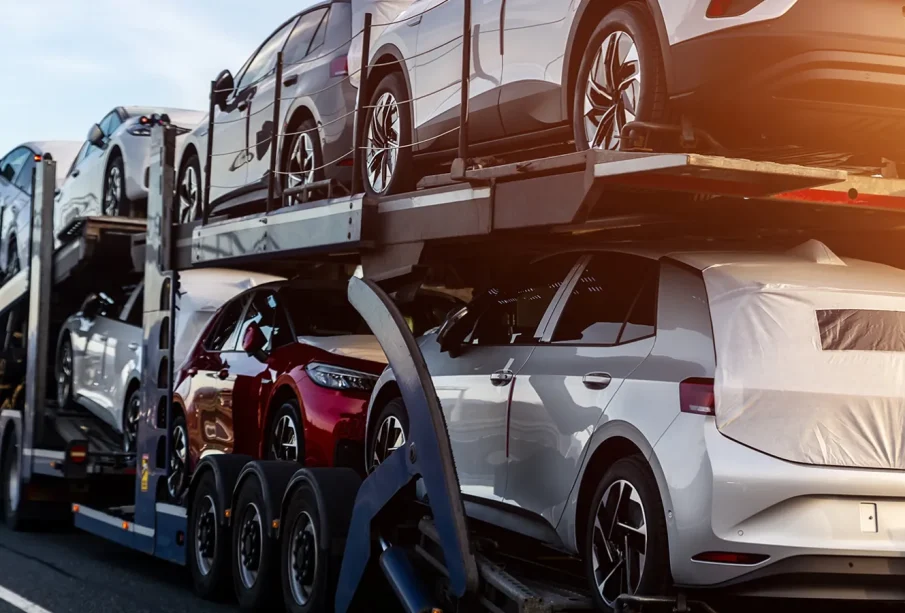
- Mainland Vehicle Pickup and Ground Transportation: If you live inland (e.g., Chicago, Dallas, Atlanta), an auto transport carrier collects your vehicle on an open or enclosed auto hauler and delivers it to a West Coast departure port city such as Long Beach, Oakland, Seattle, or Tacoma.
- Ocean Freight: Once delivered to the ocean terminal and cleared by port inspectors, your vehicle is loaded onto an ocean vessel for its voyage across the Pacific Ocean.
Service Coordination: Port-to-Port, Door-to-Port, and Door-to-Door
- Port-to-Port: You deliver your vehicle directly to a West Coast departure terminal (such as Long Beach or Seattle) and drop it off yourself. Upon arrival in Hawaii, you collect the vehicle directly from the island terminal.
- Door-to-Port: The transport company picks up your vehicle directly from your home, office, or designated location on the mainland and delivers it all the way to the Hawaii destination port. This is the most popular choice for customers living away from coastal departure ports.
- Door-to-Door Coordination: True door-to-door coordination to a home driveway on a neighbor island is generally limited because island delivery trucks face geographic and road access limits. Most Hawaii shipments conclude with port pickup on the destination island.
Major Hawaiian Destination Ports
Ocean carriers service primary ports across the major islands:
- Honolulu, Oahu (Sand Island Terminal) – The central hub for ocean freight in Hawaii.
- Kahului, Maui – Direct or feeder vessel service from Oahu.
- Hilo and Kawaihae, Big Island (Hawaii Island) – Servicing eastern and western sides of the Big Island.
- Nawiliwili, Kauai – Servicing the garden isle via scheduled barge and ocean connections.
Note: Direct ocean sailings from the mainland predominantly dock in Honolulu. Route availability, direct sailings, and inter-island barge connections depend on the shipping carrier and schedule (such as Matson and Pasha Hawaii). Always reference official carrier guidance when describing route availability and service limitations.
How Much Does It Cost to Ship a Car to Hawaii? …
Total pricing depends on the vehicle’s origin, destination island, dimensions, transportation method, and service level.
Ocean Freight vs. Mainland Ground Transportation Costs
It is crucial to distinguish ocean freight charges from mainland ground transportation costs:
- Ocean Freight: The cost of ocean transport from a West Coast port to Hawaii generally ranges from $1,790 to $2,600 for a standard sedan or small SUV, depending on the destination island.
- Mainland Ground Transportation: Transporting a car from the East Coast or Midwest to a West Coast port adds $600 to $1,800+ to the total cost.
Comparing complete quotes rather than advertised base rates ensures you avoid unexpected expenses during transit.
Average Car Shipping Costs by Mainland Origin
West Coast shipments may cost less because of shorter mainland transport distances to departure ports. The table below presents indicative, estimated costs for a standard running sedan to Oahu and typical total transit time.
| Mainland Origin Region | Departure Port Area | Est. Mainland Freight | Est. Ocean Freight | Estimated Total Cost* | Est. Total Transit Time |
| West Coast (CA, OR, WA) | Long Beach, Oakland, Seattle | $0 – $500 | $1,790 – $1,850 | $1,790 – $2,350 | 7 – 10 Days |
| Midwest (IL, CO, TX) | West Coast Port via Truck | $800 – $1,300 | $1,790 – $1,850 | $2,590 – $3,150 | 12 – 16 Days |
| East Coast / Southeast (NY, FL, GA) | West Coast Port via Truck | $1,200 – $1,800 | $1,790 – $1,850 | $2,990 – $3,650 | 14 – 21 Days |
*Disclaimer: All pricing figures provided in this table are indicative estimates, not guaranteed quotes. Current rates vary based on fuel surcharges, seasonal demand, vehicle dimensions, and carrier availability. You must verify current rates before publication or booking.
How Your Destination Island Affects Shipping Costs
Direct sailings from mainland ports dock primarily at Honolulu (Oahu). If your vehicle is destined for Maui, Kauai, or the Big Island:
- Inter-Island Transportation & Handling: Additional inter-island transportation and handling charges (typically $300 to $800) may affect cost and delivery time.
- Final Destination Port: The final destination port and available connections determine the overall shipping arrangement and total budget.
Additional Fees to Include in Your Budget
When reviewing an auto transport quote, encourage customers to confirm which fees are included in their written quotes:
- Mainland Pickup or Delivery Charges: Charges for ground transportation to the departure port.
- Port Handling and Terminal Fees: Fees assessed at origin or destination terminals, where applicable.
- Oversized Vehicle Surcharges: Applied to large trucks, vans, lifted vehicles, or duallies exceeding standard length, height, or width limits.
- Special Handling or Non-Operational Vehicle Charges: Additional fees for non-running vehicles, if accepted by the carrier.
- Optional Protection or Specialized Transport Services: Charges for enclosed vehicle transport on the mainland.
- Applicable Storage, Missed-Sailing, or Rescheduling Charges: Demurrage fees charged by port terminals if a vehicle is not collected within the permitted free-storage period (typically 3–7 days).
How Long Does It Take to Ship a Vehicle to Hawaii?
The total timeline includes pickup scheduling, ground transportation, port processing, ocean transit, and vehicle release.
Sailing Time vs. Complete Timeline
It is essential to distinguish sailing time from the complete door-to-port or door-to-door timeline:
- Ocean Sailing Time: The actual time the vessel is on the water from a West Coast port to Honolulu is approximately 5 to 7 days.
- Complete Timeline: Cross-country mainland transportation, port drop-off windows, vessel schedules, and port release procedures add several days before and after the voyage.
Vessel schedules and port availability heavily influence overall delivery estimates.
Estimated Shipping Timelines by Origin
Mainland cross-country transportation adds time before ocean departure.
| Origin Region | Estimated Ground Transit | Ocean Sailing Time | Estimated Total Transit Time* | Major Scheduling Considerations |
| West Coast | 1 – 3 Days | 5 – 7 Days | 7 – 10 Days | Close proximity to ports; dependent on weekly sailing cuts. |
| Midwest | 3 – 5 Days | 5 – 8 Days | 12 – 16 Days | Cross-country trucking routing and regional terminal consolidation. |
| East Coast / Southeast | 5 – 8 Days | 5 – 9 Days | 14 – 21 Days | Long-distance ground transit, potential weather, and coast-to-coast scheduling. |
*Note: Current carrier information should always be referenced. Avoid presenting estimates as guaranteed delivery dates, as ocean weather and terminal schedules fluctuate.
Why Shipping to Neighbor Islands May Take Longer
Direct mainland vessels typically arrive in Honolulu (Oahu) first. The difference between shipping directly to Oahu and using connecting services for other islands includes:
- Inter-Island Barge Schedules: Vehicles bound for Maui, Kauai, or the Big Island must be transferred to ocean barges or feeder vessels.
- Terminal Handling & Release: Additional unloading, staging, and port processing at neighbor island ports add 3 to 7 additional days to the timeline.
Customers should always confirm the estimated arrival date for their specific island and port.
When Should You Book Your Hawaii Car Shipment?
- Advance Booking: Recommend arranging transport 3 to 5 weeks before the desired arrival date.
- Busy Relocation Periods & Military PCS Season: Advance planning is crucial during peak summer months and military Permanent Change of Station (PCS) move windows (May through August) when vessel space fills quickly.
- Coordination: Encourage customers to coordinate vehicle arrival with flights, housing, and moving schedules.
- Buffer Time: Advise keeping a reasonable buffer for delays caused by weather or scheduling changes.
What Factors Affect Hawaii Car Shipping Costs and Timelines?
There is a direct relationship between transportation distance, ocean freight, scheduling, and vehicle requirements:
- Mainland Pickup Location & Distance to Departure Port: Ground transport distance from inland states significantly impacts total cost and initial transit time.
- Destination Island & Port Availability: Direct routes to Honolulu are faster and less expensive than routes requiring secondary inter-island connections.
- Vehicle Size, Height, Width, and Weight: Standard vehicles fit standard pricing tiers. Oversized, lifted, or heavy vehicles take up more vessel space and incur surcharges.
- Running vs. Non-Running Condition: Vehicles must start and drive under their own power for standard ocean transport; non-operational vehicles require special handling and equipment if accepted.
- Seasonal Demand & Sailing Availability: High demand during peak relocation seasons limits vessel availability and increases rates.
- Chosen Service Level & Pickup Flexibility: Selecting enclosed ground transport or strict pickup windows increases pricing.
- Port Congestion, Weather, and Operational Delays: Pacific weather patterns, harbor swells, and port congestion can shift departure and arrival schedules.
Accurate vehicle details help produce realistic quotes and schedules.
What Are the Vehicle Shipping Options for Hawaii?
Roll-On/Roll-Off (RoRo) Shipping
- How It Works: Vehicles are driven or moved onto and off a specialized ocean vessel.
- General Process & Suitability: Vehicles are parked in protected, enclosed decks beneath the ship’s main deck. This is the standard and most cost-effective method for standard vehicles.
- Eligibility Requirements: Vehicles must be in fully operational condition (able to steer, start, and brake). Eligibility depends on carrier requirements and vehicle condition.
- Restrictions: Strict rules prohibit personal belongings inside the vehicle during RoRo transit.
Container Shipping
- How It Works: Containerized transport differs from RoRo shipping by placing the vehicle inside an enclosed 20-foot or 40-foot ocean freight container.
- Use Cases: Ideal for eligible high-value, specialty, classic, or multiple-vehicle shipments, or when shipping personal items alongside the vehicle inside the container where permitted.
- Rules & Availability: Availability, costs, and loading rules vary by provider. Container shipping is significantly more expensive, and availability is not guaranteed for every route or vehicle.
Choosing the Right Shipping Option
When comparing available options based on budget, vehicle specifications, protection needs, and route availability:
- Choose RoRo for daily-driver vehicles, standard cars/SUVs, and maximum cost efficiency.
- Choose Container Shipping for luxury, exotic, classic, or non-running vehicles requiring extra enclosure.
Encourage customers to confirm the actual service being quoted, as not every shipping company offers every ocean transport method.
How to Prepare Your Vehicle for Shipping to Hawaii
Clean Your Vehicle Before Port Delivery
- Agricultural Inspection Requirements: Hawaii maintains strict agricultural inspection and port cleanliness rules to prevent introducing invasive species or dirt.
- Cleaning Recommendations: Clean the exterior, wheel wells, undercarriage, tires, and interior thoroughly. Vacuum carpets and seats to remove all soil, mud, and plant material.
- Confirmation: Advise confirming inspection requirements before the drop-off date to prevent port gate rejection.
Remove Personal Belongings and Unapproved Accessories
- Ocean Carrier Rules: Personal items are generally restricted under ocean carrier rules and Coast Guard safety policies.
- What to Remove: Remove all personal valuables, loose objects, radar detectors, and non-approved accessories.
- Removable Equipment: Confirm the carrier’s rules for removable roof racks, bike mounts, and aftermarket equipment before arriving at the terminal.
Check Fuel, Battery, and Vehicle Condition Requirements
- Fuel Level Limits: Ocean carriers impose strict fuel-level rules—typically requiring the tank to be between 1/8 and 1/4 full.
- Battery & Mechanical Condition: Ensure the battery is fully charged, tires are inflated, and brakes function properly.
- Disclose Non-Running Condition: Non-running vehicles must be disclosed before booking, as they require specialized equipment.
- Verify Specific Instructions: Verify current carrier-specific instructions directly with the provider rather than assuming a universal fuel or battery rule.
Photograph and Document Your Vehicle
- Take dated photographs of the exterior, interior, wheels, undercarriage, and existing damage.
- Record mileage and note visible scratches, dents, or other conditions on the condition report.
- Keep copies of the inspection report (Bill of Lading) and shipping paperwork.
What Documents Are Required to Ship a Car to Hawaii?
Document requirements depend on ownership status, carrier policy, and shipment circumstances.
Commonly Requested Documents
- Government-Issued Photo Identification: Driver’s license or passport.
- Vehicle Title or Registration: Proof of ownership (original title or certified copy if owned outright).
- Booking Confirmation & Shipping Authorization: Documentation issued by the carrier or transport coordinator.
Additional Considerations
- Lienholder Authorization: If the vehicle is leased or financed, a formal Lienholder Authorization Letter from the lender is required permitting transport to Hawaii.
- Power of Attorney: If someone other than the legal owner drops off or picks up the vehicle, a notarized Power of Attorney or authorization letter is necessary.
- Company-Owned Vehicles: Requires corporate authorization paperwork signed by an officer.
Recommend confirming original-document requirements and acceptable alternatives directly with the carrier before drop-off. Vehicle shipping documentation and Hawaii vehicle registration are separate processes.
What Happens After Your Vehicle Arrives in Hawaii?
Terminal Procedures & Vehicle Release
- Arrival Notification: The carrier or transport coordinator sends an arrival notification once the vessel is unloaded.
- Identification & Documentation Checks: Present government photo ID, booking reference, and proof of ownership at the destination terminal.
- Collection Arrangements: Arrange collection or onward transportation from the destination port terminal.
Storage Charges and Vehicle Inspection
- Storage Charge Warning: Ports offer a limited free-storage window (typically 3 to 7 days). Possible storage charges accrue if the vehicle is not collected within the permitted period.
- Inspect Upon Collection: Inspect the vehicle thoroughly before leaving the terminal and document any newly observed damage directly on the release form.
Local Compliance Requirements
- New residents must complete local vehicle registration, safety inspection, and insurance requirements separately.
- Encourage readers to verify current requirements with the relevant county vehicle registration office (e.g., City and County of Honolulu DMV) within 30 days of arrival.
Common Mistakes to Avoid When Shipping a Vehicle to Hawaii
- Booking too late and missing the preferred sailing window.
- Comparing ocean-only rates with complete transportation quotes.
- Providing inaccurate vehicle dimensions or unmentioned modifications.
- Ignoring carrier-specific preparation and cleanliness rules.
- Assuming personal belongings can remain inside the vehicle.
- Failing to arrange lienholder authorization or required paperwork in advance.
- Confusing vessel transit time with the complete delivery timeline.
- Underestimating neighbor-island transportation time.
- Failing to confirm the pickup window, arrival notification, and vehicle-release process.
- Booking without understanding cancellation, delay, or storage policies.
Is Shipping Your Car to Hawaii Worth the Cost?
When Shipping Is Practical
- Long-Term Relocation: Moving permanently to Hawaii.
- Military Relocation: PCS moves where vehicle transport support or allowances apply.
- Seasonal or Extended Stays: Remaining on the islands for prolonged periods.
- Sentimental or Financial Value: Keeping a suitable, well-maintained vehicle with strong resale or emotional value.
Financial Comparison
Compare shipping costs (1,790-3,650+) by buying another vehicle in Hawaii, where dealer prices and pre-owned vehicle costs are elevated due to limited island supply. Consider vehicle value, replacement costs, insurance, transportation needs, and length of stay. The best decision depends on individual circumstances rather than shipping price alone. Encourage readers to calculate the total cost of ownership and relocation before deciding.
How to Choose a Reliable Hawaii Auto Transport Company
Experience coordinating mainland ground transport and ocean freight matters when selecting a provider.
Key Factors to Evaluate
- Licensing & Registration: Verify FMCSA licensing and active USDOT registration.
- Insurance & Liability Terms: Confirm full cargo insurance coverage during transit.
- Written Quotes & Disclosed Fees: Request transparent, written quotes with all terminal and ground transport fees clearly disclosed.
- Communication & Updates: Look for providers that offer consistent status updates throughout transit.
- Port Coordination & Support: Ensure the provider offers full support for port documentation and terminal guidelines.
- Cancellation & Delay Policies: Review terms regarding schedule adjustments or cancellations.
Always ask who handles each transportation stage and who to contact for updates. PreOwned Auto Logistics (PAL) serves as a helpful resource for understanding mainland vehicle transport and coordinating the ground-transport portion where available.
Frequently Asked Questions About Shipping a Vehicle to Hawaii
How much does it cost to ship a car to Hawaii?
Total pricing depends on mainland origin, destination island, vehicle size, and service type. Ocean-only transport starts around $1,790, while complete shipments from the Midwest or East Coast range from $2,590 to $3,650+ including ground transport.
How many days does it take to ship a car to Hawaii?
Ocean transit time takes 5 to 7 days on the water. Total transit time from mainland pickup to island release ranges from 7 to 21 days depending on ground transport distance.
Is door-to-door car shipping to Hawaii available?
True door-to-door transit on Hawaii islands is generally restricted. Most shipments operate as door-to-port (mainland home pickup to island port release) or port-to-port.
Can I ship my car to Hawaii with personal belongings inside?
No. Ocean carrier rules strictly prohibit personal belongings inside vehicles during RoRo ocean transport.
Can I ship a financed or leased vehicle to Hawaii?
Yes, but you must obtain an official written Lienholder Authorization Letter from your lender or leasing company before dropping the vehicle off at the port.
Can I ship a non-running car to Hawaii?
Acceptance depends on carrier rules, handling requirements, and vehicle condition. Non-operational vehicles generally require specialized handling or container shipping.
Is shipping a car to Maui, Kauai, or the Big Island more expensive?
Yes. Shipping to neighbor islands incurs additional inter-island barge legs, terminal handling fees, and longer transit times compared to direct Honolulu sailings.
How far in advance should I book vehicle shipping to Hawaii?
It is best to book 3 to 5 weeks in advance, or 4 to 6 weeks early during peak summer and military relocation seasons.
Can I track my vehicle while it is being shipped to Hawaii?
Yes. Tracking and status updates depend on the provider and ocean carrier, offering visibility during ground and ocean legs.
What should I do if my vehicle arrives damaged?
Document the vehicle’s condition with photos immediately, note the damage on the official delivery document before leaving the terminal, notify the carrier or transport provider promptly, and follow their formal claims procedure.
Get a Vehicle Shipping Quote for Your Hawaii Move
Planning costs, timelines, documents, and vehicle preparation in advance ensures a smooth relocation. To gather the necessary information for an accurate quote, have the following details ready:
- Vehicle year, make, and model.
- Current pickup city and state.
- Destination island and preferred port or delivery location.
- Vehicle operating condition and any modifications.
- Desired pickup and arrival timeframe.
PreOwned Auto Logistics provides reliable mainland vehicle transportation services to help coordinate the ground portion of your move. Contact our team today to request a quote or discuss your mainland vehicle transportation options.